Haptic Devices
High-end Haptic Devices (Force Feedback devices) require high update rates to render forces accurately and with high responsiveness. For robotics, typically an update rate of 1 kHz is more than sufficient, for Haptic Devices update rates of 4 kHz (or more) are used. Motorcortex achieves this with high reliability, not ever missing a single beat.
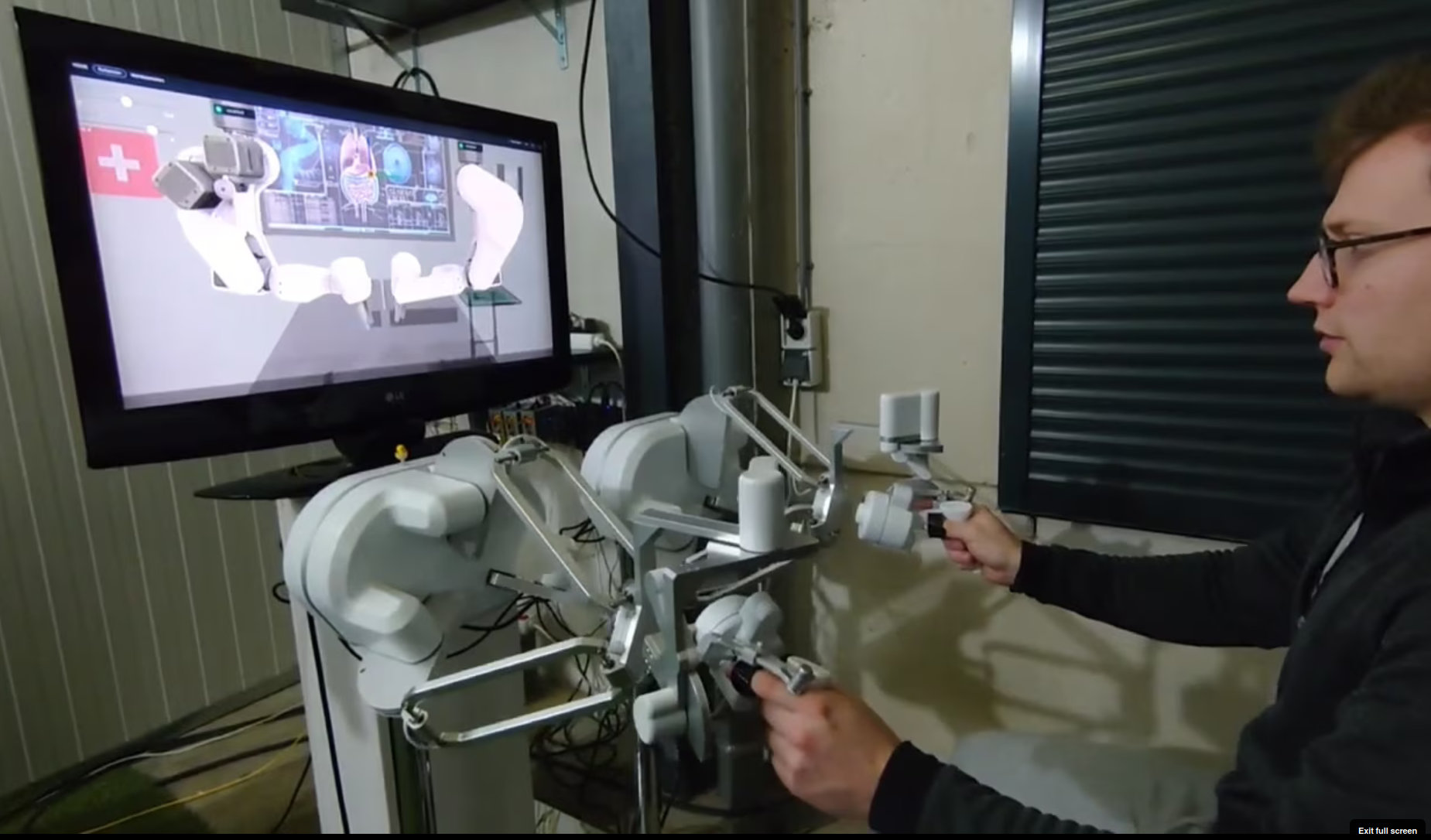
The Control Library of Motorcortex includes Admittance and Impedance Control. In Admittance control, the force is measured by a force or torque sensor and the control system calculates the displacement commands. In Impedance Control the displacement is measured and the control system calculates the target force or torque. Usually for haptic devices that are used in tele-operation, like in a surgical robot, use Impedance Control while in Control Loading Systems for Aircraft or Vehicle simulation Admittance Control is used.
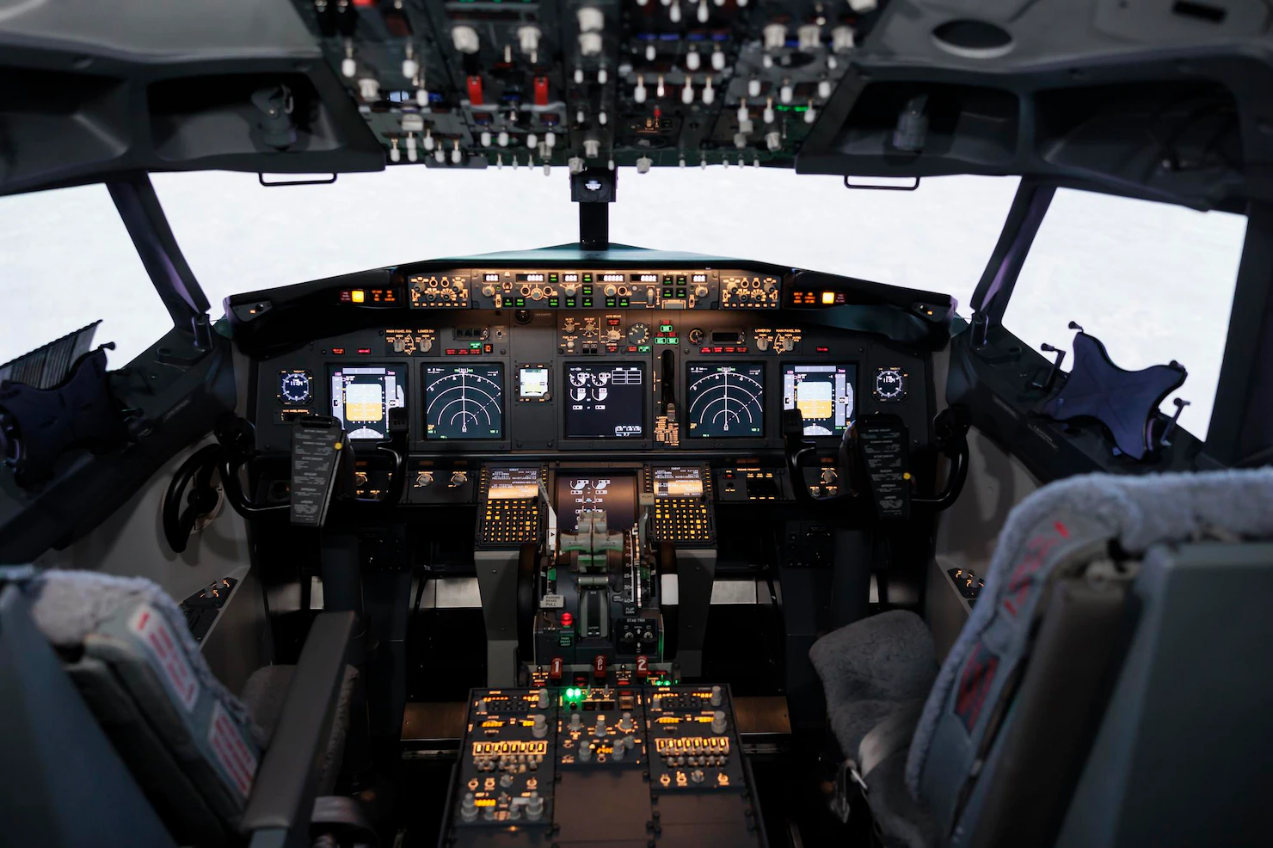
Motorcortex also has modules for Flight Control Simulation, that simulate the behavior of the aircraft flight control system, so the pilot can "feel" the aircraft. Below is a video of a control loading application for a C130 aircraft. The system uses a large Parker DC pancake motor for ultra smooth motion.
Motorcortex also supports commercially available Haptic Devices like Force Dimension (see below).